

 Loading...
How To Use This Discussion Guide
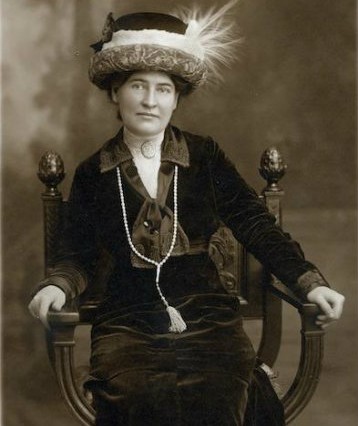
Materials Included | Begin by reading Willa Cather’s “The Namesake” on our site or in your copy of What So Proudly We Hail.
Materials for this guide include background information about the author and discussion questions to enhance your understanding and stimulate conversation about the story. In addition, the guide includes a series of short video discussions about the story, conducted by William Schambra (Hudson Institute) with the editors of the anthology. These seminars help capture the experience of high-level discourse as participants interact and elicit meaning from a classic American text. These videos are meant to raise additional questions and augment discussion, not replace it.
Learning Objectives | Students will be able to:
- Reflect on the subject of American identity through the reading and discussion of Willa Cather’s “The Namesake,” with special attention to the meaning of the national flag as a symbol of the nation;
- Read closely to determine what the text says explicitly and to make logical inferences from it;
- Cite specific textual evidence when writing or speaking to support conclusions drawn from the text;
- Determine central ideas or themes of a text and analyze their development
- Summarize the key supporting details and ideas;
- Analyze how and why individuals, events, and ideas develop and interact over the course of a text; and
- Interpret words and phrases as they are used in a text, including determining technical, connotative, and figurative meanings, and analyze how specific word choices shape meaning or tone.
Writing Prompts
- America is said, rightly, to be a nation founded not on ties of blood and soil, but on ideas and ideals. What then is the role of ties to land and ancestors for American identity? In the past? Today? After reading “The Namesake,” write an essay that addresses the question and support your position with evidence from the text. Be sure to acknowledge competing views. Give examples from past or current events or issues to illustrate and clarify your position.
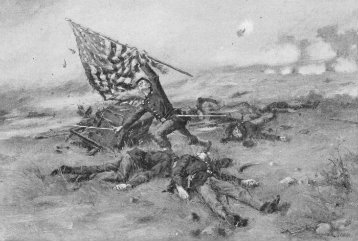
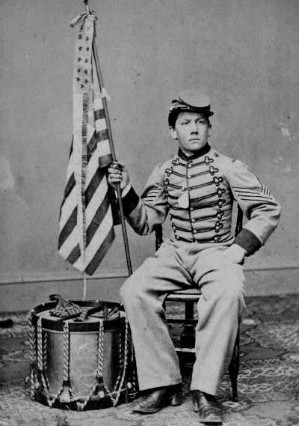
- Compare the sculpture (and the portrait) of “The Color Sergeant” with the story of the actual life and death of its subject, as Hartwell comes to know it. Which is more truthful? Who does a better job in conveying the truth about “The Namesake”: Hartwell or Cather? After reading “The Namesake,” write an essay that compares the sculpture and the painting, and argues for one over the other in its ability to convey the truth about “The Namesake.” Be sure to support your position with evidence from the text.
- What is the role of art (Hartwell’s statues) and stories (Cather’s “The Namesake”) in creating and sustaining American identity? In making one out of many? How do art and stories speak to us in ways that other media do not? After reading “The Namesake,” write an essay that discusses art and stories and evaluates their role in creating and sustaining national identity. Be sure to support your position with evidence from the text.

Post a Comment